
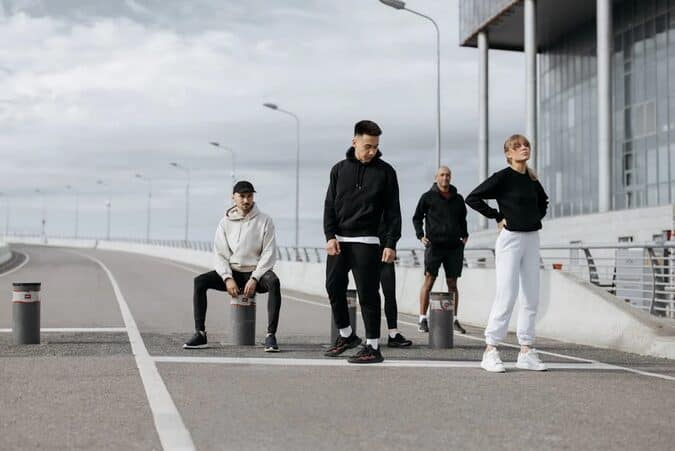
How Streetwear Is Influencing High-Fashion Runways
Streetwear originated as a casual style rooted in skate, hip-hop, and urban culture, characterized by comfortable silhouettes, bold graphics, and distinctive branding. Initially considered a subcultural trend, streetwear has evolved into a global phenomenon that resonates with younger, fashion-conscious audiences. Its rise reflects a shift in consumer preferences toward individuality, self-expression, and culturally informed design. High-fashion brands, traditionally associated with exclusivity and formal aesthetics, have increasingly drawn inspiration from streetwear’s authenticity and energy. Understanding this convergence highlights how contemporary fashion integrates cultural relevance, commercial strategy, and creative experimentation on the runway.
Incorporating Streetwear Aesthetics into Luxury Collections
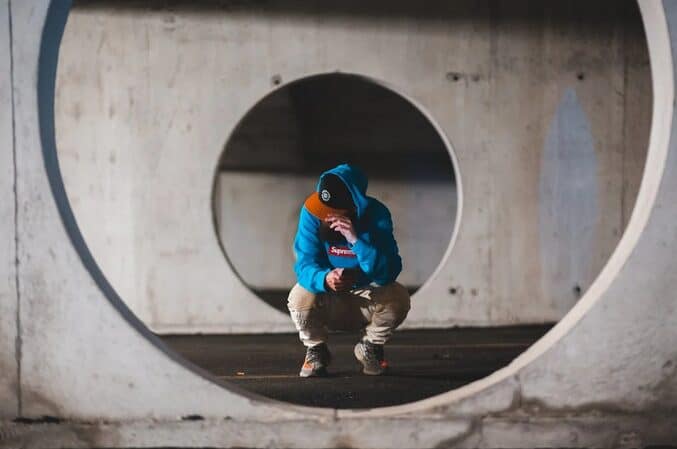
High-fashion designers have embraced streetwear elements such as oversized hoodies, sneakers, graphic prints, and relaxed tailoring in their seasonal collections. This integration blurs the boundaries between casual wear and couture, creating hybrid designs that appeal to a broader demographic. By combining streetwear’s functional and expressive qualities with luxury craftsmanship, designers provide a fresh take on traditional silhouettes and materials. Runway shows now often feature collaborations with streetwear brands, limited edition capsule collections, and reinterpretations of urban style. This fusion demonstrates how high-fashion houses leverage streetwear to remain culturally relevant while experimenting with innovative design languages.
Influence on Consumer Engagement and Marketing
 Streetwear’s impact extends beyond garment design to marketing strategies and consumer engagement. The streetwear community thrives on exclusivity, drops, and digital hype, which has informed how luxury brands approach product launches and collaborations. High-fashion labels now utilize social media campaigns, influencer partnerships, and limited releases to replicate the excitement and anticipation traditionally associated with streetwear. By tapping into these methods, designers cultivate a sense of immediacy and desirability that resonates with younger audiences. This approach transforms runway presentations into interactive experiences, where the narrative of cultural connection becomes as important as the clothing itself.
Redefining Runway Culture and Inclusivity
The influence of streetwear has also reshaped runway culture by promoting diversity, inclusivity, and relatability. Streetwear’s roots in urban and youth culture have encouraged designers to feature models of varied ethnicities, genders, and body types, reflecting a more global and contemporary perspective. Additionally, the casual, wearable nature of streetwear-inspired garments has shifted the perception of runway fashion from an aspirational spectacle to an approachable form of expression. High-fashion shows increasingly embrace real-life aesthetics, demonstrating that luxury fashion can be both innovative and socially resonant, bridging the gap between elite design and everyday wear.
Driving Innovation and Collaboration in Fashion Design

Streetwear’s influence encourages experimentation with materials, patterns, and silhouettes in high-fashion collections. Designers explore unconventional fabrics, bold colors, and layering techniques inspired by urban culture. Collaborations between luxury brands and streetwear labels push creative boundaries, producing hybrid collections that generate excitement and challenge traditional fashion hierarchies. This cross-pollination fosters innovation by combining artisanal craftsmanship with contemporary cultural aesthetics. The result is a dynamic fashion landscape where streetwear serves as both inspiration and catalyst for evolving the creative language of high-fashion runways.
Streetwear has fundamentally influenced high-fashion runways by introducing cultural relevance, innovation, and new marketing strategies into the luxury fashion industry. By integrating casual aesthetics, digital engagement, and collaborative experimentation, streetwear has reshaped how designers conceptualize collections and interact with consumers. Its presence has also promoted inclusivity, accessibility, and relatability, redefining the traditional runway experience. As fashion continues to evolve, the dialogue between streetwear and high fashion underscores the importance of cultural awareness and creative adaptability in shaping contemporary style.…


 Post-surgery, many people report a renewed interest in fashion. Instead of dressing to hide certain areas, they begin dressing to express themselves. From swimwear to tailored outfits, the boost in self-esteem can be immediate. A tummy tuck doesn’t make you more stylish on its own, but it often gives you the confidence to wear the styles you’ve always admired. Whether it’s form-fitting silhouettes or daring crop tops, many patients find their style evolving with their body image.

 However, there is still one notable obstacle that stands between the majority of customers and these designer creations. It is not a secret that a lot of customers still have problems affording these handbags. An original and authentic Vuitton, Hermes or Prada handbag is usually priced in the range of several thousands of dollars. For the majority of average fashion-conscious customers, these prices are simply out of their reach.
 These handbags are also known as “Mirror” or “1:1” replicas, as they look like perfect copies of the original ones. The stitching and the production methods used are exactly the same, and they use the same fabrics, canvasses, and leathers. In addition, many of these replicas incorporate various exotic materials, such as deerskin, crocodile skin, lamb or calf skin.…